Penguin Font: A Jolly Typeface for Playful Projects
Finding a typeface that captures pure joy and energy can be a challenge. Many fonts feel cold, corporate, or overly serious. For projects that need to feel welcoming, fun, and full of personality, the Penguin display font steps in as a fantastic solution. It’s a creative font designed to bring a smile, making it a valuable asset for designers, marketers, and creators looking to inject some warmth into their work.
Understanding the Visual Character of Penguin
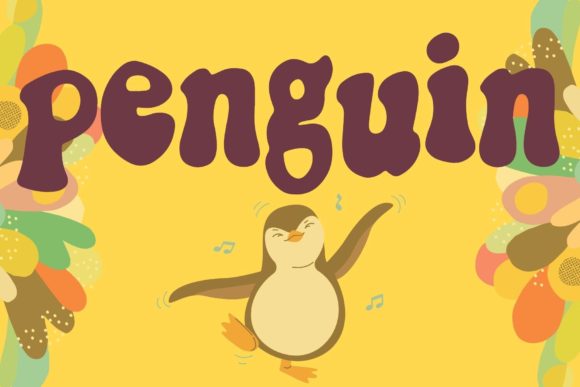
At its heart, Penguin is a cute and jolly display typeface. Its design philosophy centers on approachability. You’ll notice rounded forms, soft edges, and a generally bouncy baseline that gives text a lively, almost playful rhythm. Unlike a stark sans serif font or a traditional serif font, Penguin avoids sharp angles and severe geometry. Instead, it embraces curves and friendly proportions. This gives it a unique personality that feels both modern and whimsical, without veering into childish territory. It’s a premium font that understands its role: to be expressive, engaging, and memorable.
Where Penguin Truly Shines: Practical Applications
The strength of a display font like Penguin is its ability to grab attention in headlines, logos, and short bursts of text. Its charming aesthetic makes it particularly effective in specific contexts. Think about the apparel industry, where a fun, bold typeface on a t-shirt or hoodie can define a brand’s vibe. For logo design, Penguin can help a small business or startup project a friendly, accessible identity from day one. It’s the kind of creative font that a children’s book author, a cartoonist, or a game developer would use for titles and branding to set an immediate, inviting tone.
- Branding and Identity: Use Penguin for a brand identity that needs to feel energetic and approachable. It works well for pet shops, bakeries, toy stores, or any business that wants to emphasize fun and customer connection.
- Digital and Social Media: In the fast-scrolling world of web design and social media graphics, a distinctive headline font stops the thumb. Penguin is perfect for YouTube thumbnails, Instagram story headers, and website banners where you need instant visual appeal.
- Editorial and Publishing: While not for body text, it excels in editorial design. Consider it for magazine cover titles, chapter headings in a fun cookbook, or the masthead of a niche blog. It adds personality to packaging design for products like snacks, crafts, or hobby kits.
- Events and Promotions: Posters for a local festival, a music gig, or a movie marathon can benefit from its jolly character, setting a welcoming and exciting mood before someone even reads the details.
Making Design Choices with Penguin
Choosing a font is about more than just liking how it looks in isolation. It’s about how it functions within your project’s ecosystem. Here’s how to think practically about using Penguin.
Evaluating Fit and Readability
First, assess your project’s core message. Is it serious and authoritative, or playful and creative? Penguin is firmly in the latter camp. Its readability is excellent at larger sizes for headlines and logos, but it’s not designed for long paragraphs. Pairing it thoughtfully is key. A common and effective font pairing strategy is to combine a expressive display typeface like Penguin with a clean, neutral font for body text. Think Penguin for your H1 heading paired with a simple sans serif like Open Sans or Lato for the paragraph content. This creates a clear visual hierarchy that guides the reader’s eye and maintains professionalism.
Testing and Implementation
Before committing, test the font in context. Type out your actual headlines and key phrases. See how the letterforms interact. Does the word “Jump” look as energetic as you’d hoped? Does your brand name feel cohesive? Check the font package for included styles—does it come with multiple weights or alternate characters? These details can greatly expand its versatility. For any commercial font, always review the license. Ensure it covers your intended use, whether for a client’s logo design, merchandise, or digital advertisements. A proper license protects you and supports the type designer.
Ultimately, the goal of using a typeface like Penguin is to enhance your project’s emotional resonance and audience engagement. It’s a design asset that can help a brand feel more human, a poster more exciting, and a social media graphic more clickable. By understanding its personality and applying it strategically, you can leverage this jolly typeface to make your creative work stand out with genuine charm and professionalism.